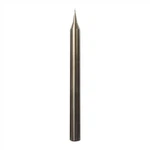
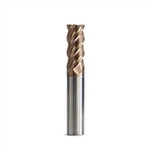
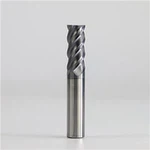
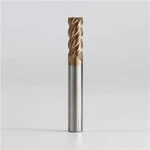
Ball Nose End Mill
Why Choose Us
Strong Team
The Company Has a Group Of Management Personnel Who Have Been In The Industry For Many Years, And Has Accumulated Strong Milling Cutter Production Technology And Financial Strength.
Good Service
Our Company Has Been Adhering To The Development Concept Of "Paying Attention To Customer Needs, Being Technology-Oriented, And Quality-Oriented", Keeping Up With The Development Of The Times.
Production Equipment
The Company Currently Has a Batch Of Production And Testing Instruments Such As The German "Walter" Five-Axis Linkage Cnc Grinder And The German Tool Detector.
Professional Assistance
Through The Purchase Of German "Walter" Cnc Sharpeners, German-Made Tool Detectors And Other Production Testing Equipment, It Has Established Excellent Product Production System And Product After-Sales Service System.
What is Ball Nose End Mill?
The Carbide Ball Nose End Mills is a tool with a blade similar to a ball end and assembled on a milling machine for milling various curved surfaces and arc grooves. Ball end milling cutters are also called R cutters in China.
Carbide Ball Nose End Mills can mill die steel, cast iron, carbon steel, alloy steel, tool steel, and general iron. It is a kind of end mill. Ball end milling cutter can work normally in high temperature environment. It is widely used in the processing of various curved surfaces and arc grooves, and is also capable of processing complex processing surfaces.
The Carbide Ball Nose End Mills is a kind of complex shape tool, which is an important tool for milling free-form surfaces. Its cutting edge is a complex curve in space. This is a rather complicated job for both the blade shape design and the sharpening process of the tool.


The Carbide Ball Nose End Mills is a tool with a blade similar to a ball end and assembled on a milling machine for milling various curved surfaces and arc grooves. Ball end milling cutters are also called R cutters in China.
Kinbolon's Carbide Ball Nose End Mills can mill die steel, cast iron, carbon steel, alloy steel, tool steel, and general iron. It is a kind of end mill. Ball end milling cutter can work normally in high temperature environment. It is widely used in the processing of various curved surfaces and arc grooves, and is also capable of processing complex processing surfaces.
The Carbide Ball Nose End Mills is a kind of complex shape tool, which is an important tool for milling free-form surfaces. Its cutting edge is a complex curve in space. This is a rather complicated job for both the blade shape design and the sharpening process of the tool.
Advantage
1. A more stable processing state can be obtained: when using a ball end cutter for processing, the cutting angle is continuously changing, and there is almost no sudden change, so the change of cutting force is also a continuous change process, so that the cutting can be guaranteed during processing The state is more stable and the surface finish is higher.
2. The carbide ball nose end mills is the most ideal tool for semi-finishing and finishing of curved surfaces: the spindle motor we use has poorer ability to resist axial force, so ball-end cutters generally cannot be used for rough machining. Among them, it is very good to use a ball nose knife. After using the ball end cutter for semi-finishing, there will be less machining residue, which is more conducive to the following finishing process. The path spacing of semi-finishing is generally twice the spacing of finishing machining. If the method of parallel section is used, it is better to be 90 degrees to the direction of finishing machining.
3. The actual cutting radius is reduced: just like using the bullnose cutter, the use of the ball nose cutter reduces the actual cutting diameter, reduces the cutting line speed, reduces the cutting power and cutting torque during cutting, and is more conducive to the spindle motor Work in better condition.
Precautions
1. Minimize the use of the tool tip to process the workpiece: at the position of the tool tip of the carbide ball nose end mills, the processing line speed is 0 during actual processing, that is to say, the tool is not actually cutting, but grinding. During processing, the coolant cannot be added to the cutting area at all, which will lead to a relatively large cutting heat and a decrease in tool life.
2. For the straight wall, it is best to use the contour processing method for processing: to minimize the phenomenon that the ball-end knife is processed downward along the straight wall. Relatively speaking, it is a very good method to process upwards along the straight wall, but it is difficult to separate them in actual processing. Let's compare the difference between the two.
3. The phenomenon of downward processing can be reduced by using the contour shape to process the straight wall. If you can use the phenomenon of "feeding the knife from the bottom up", it can be avoided. When using "feeding from bottom to top", you must first consider whether the cutting capacity of the first knife is too large. If there is a relatively large residual material at the root of the curved surface after upper processing, then the machining capacity of the first knife may be too large. This does not protect the knife but destroys the knife.
4. Pay attention to the processing of deep grooves with carbide ball nose end mills: when processing deep grooves, the tool may sink completely. Since the chip pocket of the ball end milling cutter is relatively small, when processing sticky materials (such as copper), the feed When the speed is fast, it is easy to break the knife. Therefore, when using a ball end cutter for processing, attention should be paid to chip removal.
Advantages of Ball Nose End Mill
A more stable processing state can be obtained
When using a ball end cutter for processing, the cutting angle is continuously changing, and there is almost no sudden change, so the change of cutting force is also a continuous change process, so that the cutting can be guaranteed during processing The state is more stable and the surface finish is higher.
The carbide ball nose end mills is the most ideal tool for semi-finishing and finishing of curved surfaces
The spindle motor we use has poorer ability to resist axial force, so ball-end cutters generally cannot be used for rough machining. Among them, it is very good to use a ball nose knife. After using the ball end cutter for semi-finishing, there will be less machining residue, which is more conducive to the following finishing process. The path spacing of semi-finishing is generally twice the spacing of finishing machining. If the method of parallel section is used, it is better to be 90 degrees to the direction of finishing machining.
The actual cutting radius is reduced
Just like using the bullnose cutter, the use of the ball nose cutter reduces the actual cutting diameter, reduces the cutting line speed, reduces the cutting power and cutting torque during cutting, and is more conducive to the spindle motor Work in better condition.
Increased Efficiency
Because ball nose end mills have a rounded tip, they are able to remove material more quickly and efficiently than other types of end mills. This can help to reduce machining time and improve overall productivity.
Benefits Ball Nose End Mill
Versatility
Ball nose end mills can be used for a wide range of applications, including roughing, finishing, cutting, and profiling.
Improved Surface Finish
Because of the rounded tip of the ball nose end mill, it creates a smoother surface finish on the workpiece than other types of end mills.
Reduced Tool Wear
The ball nose end mill has a wider cutting edge, which reduces the stress on the tool and extends its life.
Reduced Chipping
Ball nose end mills are less prone to chipping or breakage due to their more robust design, making them a safer option for milling.
Accurate Cutting
The geometry of the rounded tip of the ball nose end mill helps to ensure precise cutting and reduces the risk of milling errors.
Suitable for a Range of Materials
Ball nose end mills can be used to machine a wide range of materials, including metals, plastics, and composites.
Types of Ball Nose End Mill
Standard Ball Nose End Mill
This type of end mill has a perfectly spherical tip and is widely used in general milling applications.
Double-End Ball Nose End Mill
This type of end mill has a spherical tip on both ends, allowing it to perform versatile cutting operations effectively.
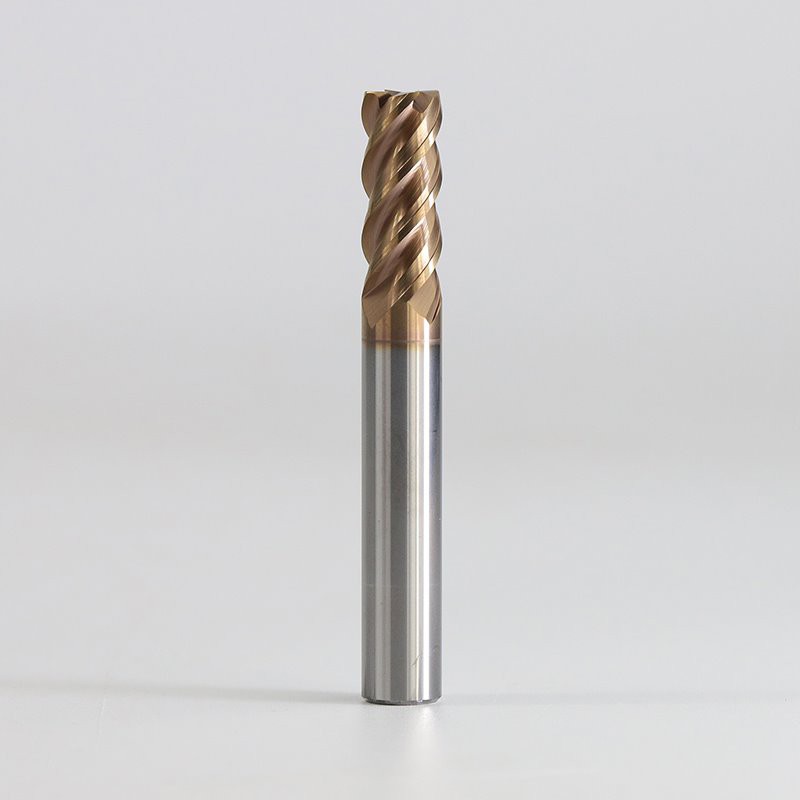

Corner Radius Ball Nose End Mill
This type of end mill has a rounded corner, which reduces the chances of the tip breaking while performing a cutting operation.
Tapered Ball Nose End Mill
This type of end mill has a conical tip, providing added strength and rigidity to the cutting tool.
Application of Ball Nose End Mill
Contouring
The ball nose end mill is often used for contouring parts. Its unique geometry allows it to create smooth and rounded contours on parts with complex shapes.
3D profiling
When creating 3D parts, the ball nose end mill can be used to create intricate shapes. It can be used to create deep, narrow channels and curves.
Engraving
The ball nose end mill is suitable for engraving text and logos into parts. Its round tip creates smooth engraving lines.
inishing
The ball nose end mill is often used for finishing work. It can create a smooth surface finish on parts and improve the overall appearance of a product.
Maintenance Ball Nose End Mill
Maintaining a ball nose end mill is essential for ensuring optimal performance and can help prevent unwanted malfunctions or breakdowns. Learn the fundamentals of proper maintenance and troubleshooting so you can keep your end mills running smoothly.

Inspect The Ball Nose End Mill Regularly
Inspecting the ball nose end mill regularly is key for preventing breakdowns as well as ensuring performance and efficiency. Get in the habit of checking for signs of wear and tear, such as chips or scratches on the cutting surface, which can decrease efficiency and increase the chances of errors. Also take the time to check all screws and bolts to make sure they are properly tightened to help prolong its lifespan.
To keep the ball nose end mill running optimally, proper storage is key. Make sure the CNC end mills are kept in a clean, dry environment and away from direct sunlight. If the tool must be stored outside of the machine tool being used, keep it wrapped in tightly sealed plastic to protect it against possible corrosion or other damages. Proper storage can help preserve its sharpness and overall performance as well as extend its life.
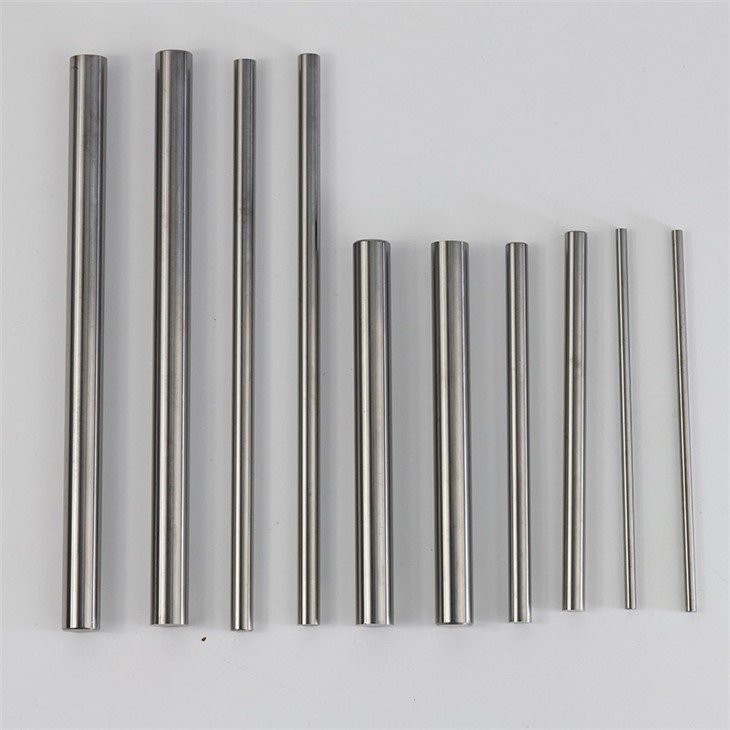
Store Your End Mills Properly
To keep the ball nose end mill running optimally, proper storage is key. Make sure the CNC end mills are kept in a clean, dry environment and away from direct sunlight. If the tool must be stored outside of the machine tool being used, keep it wrapped in tightly sealed plastic to protect it against possible corrosion or other damages. Proper storage can help preserve its sharpness and overall performance as well as extend its life.

Maintain The Correct Working Temperature
Temperature is another factor to consider when making sure that the ball nose end mill runs optimally. The cutting edge should be kept as cool as possible, generally by supplying a constant flow of cutting fluid or coolant to it. This helps keep the lubricant suspended in the chips and keeps temperatures down during cutting and reduces wear on the edges. Keeping this temperature in check will help increase productivity and reduce any problems with the cutter overall.

Store the tool properly
When not in use, store the tool in a protective container or box. This will prevent damage to the tool and protect it from moisture and other contaminants.
Our Factory
The company has a group of management personnel who have been in the industry for many years, and has accumulated strong milling cutter production technology and financial strength. Through the purchase of German "Walter" CNC sharpeners, German-made tool detectors and other production testing equipment, it has established excellent product production system and product after-sales service system. After years of tool design, manufacture and exploration, and through cooperation with digital hardware manufacturers and machining manufacturers in the IT industry, the company has accumulated rich experience in milling cutters R&D and production, and jointly developed carbide milling cutters with excellent performance and stable quality.