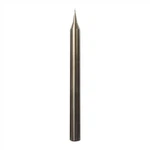
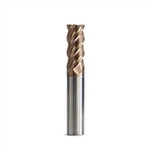
Carbide Rod
Why Choose Us
Strong Team
The Company Has a Group Of Management Personnel Who Have Been In The Industry For Many Years, And Has Accumulated Strong Milling Cutter Production Technology And Financial Strength.
Good Service
Our Company Has Been Adhering To The Development Concept Of "Paying Attention To Customer Needs, Being Technology-Oriented, And Quality-Oriented", Keeping Up With The Development Of The Times.
Production Equipment
The Company Currently Has a Batch Of Production And Testing Instruments Such As The German "Walter" Five-Axis Linkage Cnc Grinder And The German Tool Detector.
Professional Assistance
Through The Purchase Of German "Walter" Cnc Sharpeners, German-Made Tool Detectors And Other Production Testing Equipment, It Has Established Excellent Product Production System And Product After-Sales Service System.
What is Carbide Rod?
Carbide rods are also called tungsten steel rods. It is a composite material composed of refractory metal compound (hard phase) and bonding metal (bonding phase) produced by powder metallurgy. Carbide is also called tungsten steel, which is relatively different from local names.

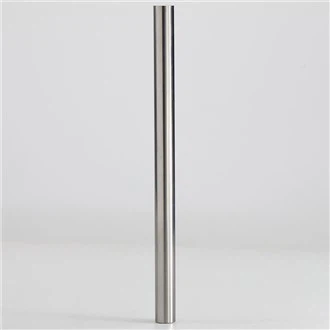


Carbide rods are also called tungsten steel rods. It is a composite material composed of refractory metal compound (hard phase) and bonding metal (bonding phase) produced by powder metallurgy. Carbide is also called tungsten steel, which is relatively different from local names.
The main features of carbide rods are stable mechanical properties, easy welding, high wear resistance and high impact resistance.
Advantage:
1. Good wear resistance; 2. Good corrosion resistance; 3. High toughness; 4. Extrusion method and HIP sintering.
Application
Carbide rods are mainly suitable for drill bits, end mills, and reamers. It can also be used for cutting, punching and measuring tools. It is used in papermaking, packaging, printing, non-ferrous metal processing industries. In addition, it is also widely used in processing high speed steel cutters, carbide milling cutters, carbide cutters, NAS cutting tools, aviation cutters, carbide drills, milling core drills, high speed steel, taperd milling cutters, metric Milling cutters, micro end milling cutters, pilot reamers, electronic cutters, step drills, metal cutting saws, double margin drills, gun barrels, angle milling cutters, carbide burrs and more.
Carbide rods can not only be used for cutting and drilling tools (such as micron, twiste drills, drills for vertical mining cutter indicators), but also can be used as input pins, various roll wear parts and structural materials. In addition, it can be widely used in many fields, such as machinery, chemical industry, petroleum, metallurgy, electronics and national defense industry.
At this stage, cemented carbide cutting tools have occupied a dominant position in cutting tool types in countries around the world, accounting for as much as 70%. However, high-speed steel cutting tools are shrinking at a rate of 1% to 2% per year, and the proportion has dropped below 30%.
At the same time, cemented carbide cutting tools have become the main tools required by processing enterprises in countries all over the world, and are widely used in heavy industries such as automobile and parts production, mold manufacturing, and aerospace.
Benefits of Carbide Rod
High hardness
The hardness of tungsten carbide varies from 83HRA to 94HRA. The high hardness makes tungsten carbide wears up to 100 times longer than steel in conditions including abrasion, erosion, and galling. Wear-resistance of tungsten carbide is better than that of wear-resistance tool steels.
Heat and oxidation resistance
To produce tungsten carbide, the carbide material will be sintered in the furnace at a high temperature of around 1400 centigrade. Tungsten-base carbides perform well up to about 1000°F in oxidizing atmospheres and 1500°F in non-oxidizing atmospheres.


Dimensional Stability
Tungsten carbide undergoes no phase changes during heating and cooling and retains its stability indefinitely. No heat treating is required.
Surface Finishes
The finish of an as-sintered part will be about 50 micro inches. Surface, cylindrical or internal grinding with a diamond wheel will produce 18 micro inches or better and can produce as low as 4 to 8 micro inches. Diamond lapping and honing can produce 2 micro inches and with polishing as low as 1/2 micro inch.
Benefits Carbide Rod
Carbide-based tool holders and machine tools consist of a large durability that enable them to have a longer shelf-life as they retain their cutting tool edges.
Carbide rod allows you to acquire better performance when it comes to finish and surface-finish quality.
Carbide rod run lower in cost than other types of tools. They are very durable and are resilient to cracking.
Carbide rod are of the best quality, and when it comes to costs they are the most inexpensive for quality toolholder types and makes that you can purchase. For the longevity and shelf life of carbide rod it is ultra cost effective to not need to purchase tools every so often.
What are the main types of Carbide Rod
Solid Carbide Rods
Solid carbide rods are made from a single piece of carbide material. They are suitable for precision drilling, milling, and tapping operations.
Tungsten Carbide Rods
Tungsten carbide rods are made from a combination of tungsten and carbon. They offer high durability, strength, and resistance to wear and tear.
Micro-grain Carbide Rods
Micro-grain carbide rods are made from carbide particles that are smaller than traditional carbide rods. They offer improved strength, hardness, and toughness.
Carbide Hollow Rods
Carbide hollow rods are similar to solid carbide rods but have a hollow core. They are suitable for drilling and milling operations that require coolant or lubrication.
Sintered Carbide Rods
Sintered carbide rods are made by compressing carbide powder into solid forms. They offer excellent wear and corrosion resistance and are ideal for use in abrasive environments.
Carbide Composite Rods
Carbide composite rods are made by bonding carbide material to a less expensive metal or alloy core. They offer high durability and strength at a lower cost than solid carbide rods.
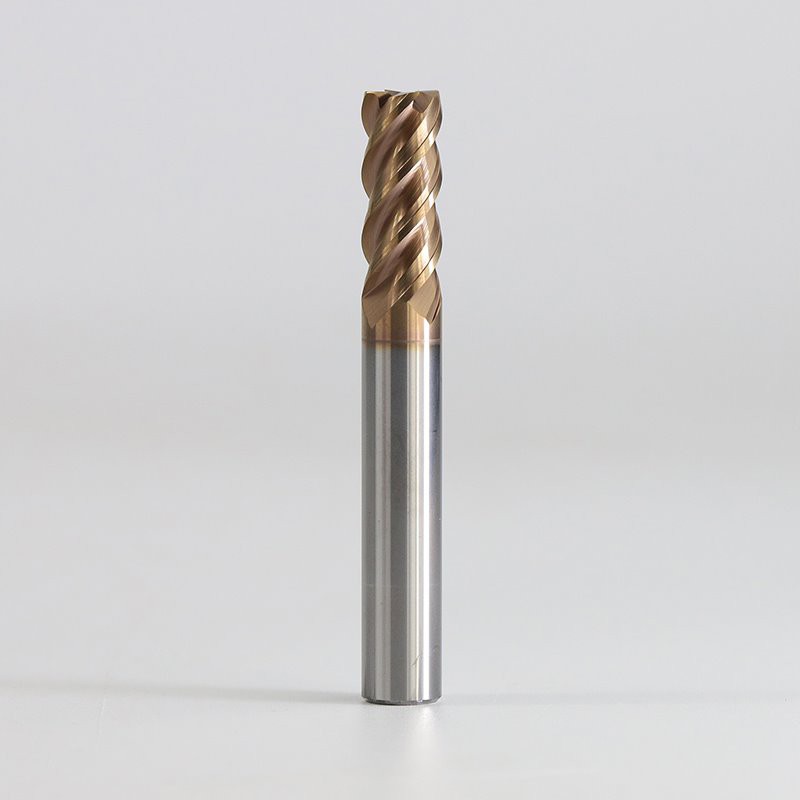
Carbide rods are typically made of tungsten carbide, a compound composed of tungsten and carbon. The tungsten carbide is formed by heating a mixture of tungsten and carbon powders at a high temperature, which causes the powders to react and form hard, solid carbide. Other materials that can be used to make carbide rods include titanium carbide, tantalum carbide, and niobium carbide.
Carbide rods are mainly suitable for drill bits, end mills, and reamers. It can also be used for cutting, punching and measuring tools. It is used in papermaking, packaging, printing, non-ferrous metal processing industries. In addition, it is also widely used in processing high speed steel cutters, carbide milling cutters, carbide cutters, NAS cutting tools, aviation cutters, carbide drills, milling core drills, high speed steel, taperd milling cutters, metric Milling cutters, micro end milling cutters, pilot reamers, electronic cutters, step drills, metal cutting saws, double margin drills, gun barrels, angle milling cutters, carbide burrs and more.
Carbide rods can not only be used for cutting and drilling tools (such as micron, twiste drills, drills for vertical mining cutter indicators), but also can be used as input pins, various roll wear parts and structural materials. In addition, it can be widely used in many fields, such as machinery, chemical industry, petroleum, metallurgy, electronics and national defense industry.

Maintenance Carbide Rod
Carbide rods are commonly used in various machining processes to cut and shape a variety of materials. However, over time, these rods may become worn and damaged, leading to a decrease in performance and efficiency.
Carbide rods should be cleaned after each use to remove any accumulated debris or cutting chips. This will help prevent the buildup of material on the cutting edge, which can cause damage or affect performance.
As carbide rods become worn, their cutting edge may begin to dull. It is essential to have them sharpened or re-ground periodically to maintain their cutting effectiveness.
Lubrication is crucial in ensuring that carbide rods run smoothly and efficiently. It prevents overheating, reduces friction, and prolongs their lifespan. Make sure to use the appropriate type and amount of lubricant for your specific application.
Carbide rods should be stored in a clean and dry area to prevent rust and corrosion. They should also be stored in a holder or rack that prevents them from touching each other, to prevent damage to their cutting edges.
Our Factory
The company has a group of management personnel who have been in the industry for many years, and has accumulated strong milling cutter production technology and financial strength. Through the purchase of German "Walter" CNC sharpeners, German-made tool detectors and other production testing equipment, it has established excellent product production system and product after-sales service system. After years of tool design, manufacture and exploration, and through cooperation with digital hardware manufacturers and machining manufacturers in the IT industry, the company has accumulated rich experience in milling cutters R&D and production, and jointly developed carbide milling cutters with excellent performance and stable quality.